On this page
US passport holders who fly Country A → mainland China → a different Country B can sometimes use China's short transit-stay route for a multi-city stop. The route has to be a true third-country transit, you need a confirmed onward ticket, and you must stay inside the permitted areas. This page is a sample itinerary for that stop — not a promise that border inspection will admit you.
First: confirm the route qualifies
Work through the full checklist on China entry: visas, exemptions and transit and the US-focused notes on China entry planning for US passport holders. China is implementing the 240-hour visa-free transit policy for nationals of 57 countries including the United States. Nationals of these countries who need to transit through China to third countries or regions may enter visa-free through any of the designated open exit-entry ports and stay in the permitted areas for no more than 10 days, provided that they hold ordinary passports and onward tickets with confirmed seats and departure dates. Compare countries or regions, not cities: Los Angeles → Shanghai → Tokyo can meet the route test; Los Angeles → Shanghai → New York does not, because both ends are the United States.
Before you pay for non-refundable China hotels:
- ordinary US passport with enough blank pages;
- onward ticket to a third country or region, confirmed seat and date, leaving within the permitted stay;
- entry and exit through designated ports listed by NIA for this policy;
- an itinerary that stays inside the permitted stay areas (not “anywhere in China”).
Fill the China arrival card online before you fly. Final admission is decided by border inspection at the port.
Sample route: enter Shanghai, exit Beijing
This is one common US pattern. Swap cities only if both ports and both stay areas are on the current NIA table.
| Day | Where | Focus |
|---|---|---|
| 1 | Arrive Shanghai (PVG or SHA) | Clear transit entry, hotel near Metro Line 2, light walk if you still have energy |
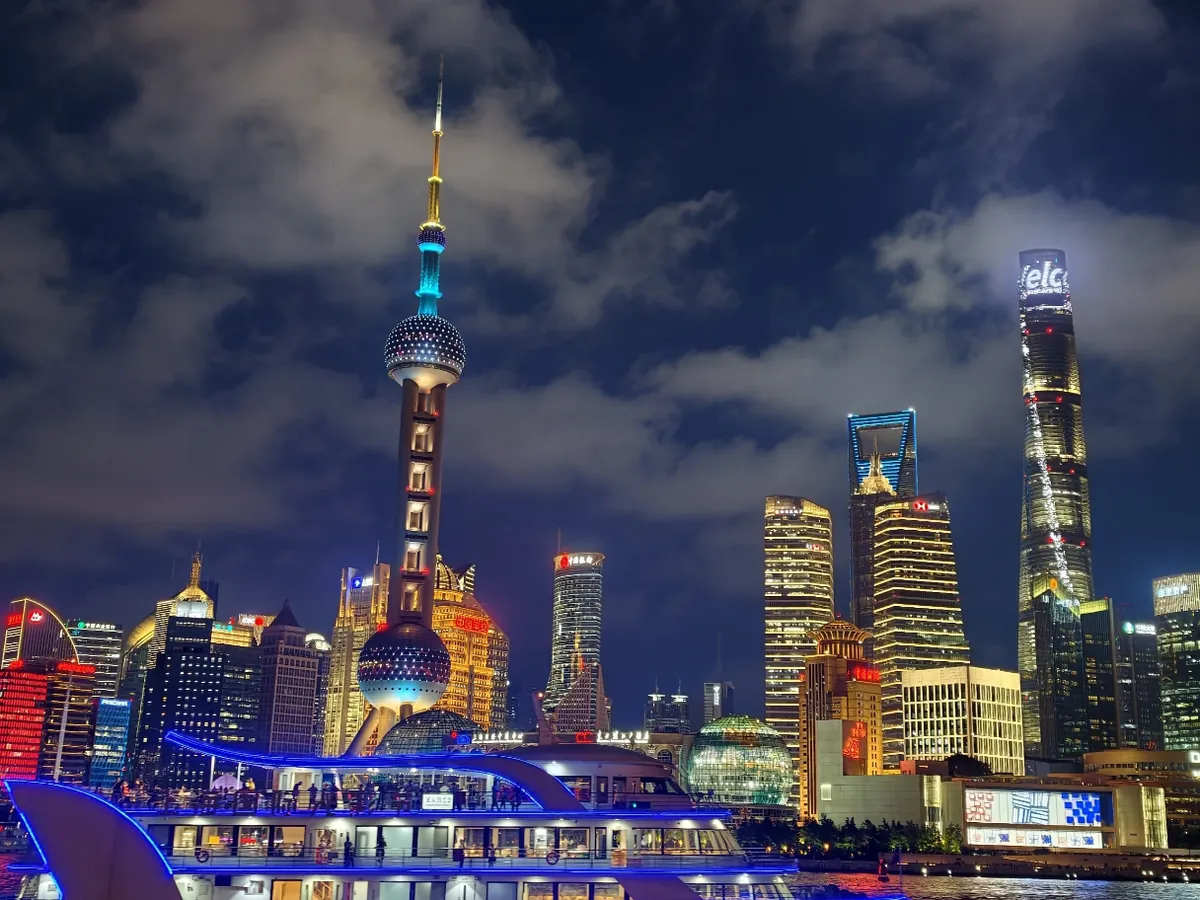
| 2 | Shanghai | Bund + Old City / Yu Garden area; evening in one neighbourhood only |
| 3 | Shanghai → Hangzhou | Morning high-speed train; West Lake east shore; return to Shanghai or overnight Hangzhou |
| 4 | Shanghai → Beijing | Afternoon or evening high-speed train to Beijing; hotel near a Line 2 or Line 6 station |
| 5 | Beijing | One core area: Forbidden City approach + hutong walk, or Temple of Heaven — not both at a sprint |
| 6 | Beijing | Summer Palace or a hutong + market food street; early night |
| 7 | Depart Beijing (PEK or PKX) | Buffer for security and the capital-airport transfer |
Compress by dropping Hangzhou. Stretch toward the full permitted stay only if your onward flight date is fixed and you still have margin for delay.
Foreign nationals covered by this policy may, within the designated areas, engage in activities like travel activities, business activities, visits, family reunions, etc., during their stay periods. Activities such as work, study, or news reporting still require prior approvals and appropriate visas. Keep the plan to sightseeing and ordinary visits. Do not schedule work meetings that need a different visa type.
Book the China rail legs
Shanghai–Hangzhou and Shanghai–Beijing are ordinary high-speed runs. Book with the same passport name you will show at the gate. The step-by-step is in how to book China trains with a foreign passport. Leave a spare evening in Beijing before an international departure so a delayed train does not burn your onward seat.
Where to sleep
- Shanghai: first-timers usually do best near the Bund / East Nanjing Road or in the former French Concession for food and shorter walks. Guide: where to stay in Shanghai.
- Hangzhou (optional night): Hubin / Longxiang Bridge keeps West Lake walkable. Guide: where to stay in Hangzhou.
- Beijing: Wangfujing / Dongcheng for the old centre, or near a Line 2 station if you want simpler airport / station transfers. Guide: where to stay in Beijing.
Chain hotels register foreign guests as a routine; confirm that before you pay. Compare rooms in those areas once your entry and exit flights are fixed.
Payments, data and the arrival card
Set up an eSIM or roaming plan before you land so maps and rail apps work in the taxi queue: China eSIM comparison. Metro QR codes and foreign cards are covered in China metro tickets and payments. Complete the arrival card before immigration if you can.
What this itinerary deliberately skips
Xi'an, Chengdu, Zhangjiajie and Guilin can be excellent — but only when your ports and permitted areas cover them on the current NIA list, and only when the rail time still leaves a safe gap before the onward flight. If your stop is short, two cities beat four.
Before you buy
- Recheck the NIA eligible-country list and the port / area table for your travel dates.
- Hold the onward ticket outside China before you request transit entry.
- Keep hotel names in Chinese on your phone for drivers and registration.
- If anything about your passport history is unusual (former Chinese nationality, name change), ask the embassy or NIA channel that handles your case rather than relying on a sample itinerary.